
 EN
 AR
 BG
 CS
 DA
 NL
 FI
 FR
 DE
 EL
 IT
 JA
 KO
 NO
 PL
 PT
 RO
 RU
 ES
 SV
 TL
 ID
 LT
 SR
 UK
 HU
 TH
 TR
 FA
 AF
 MS
 GA
 IS
 MK
 HY
 LA
 MN
 NE
 KK
 UZ

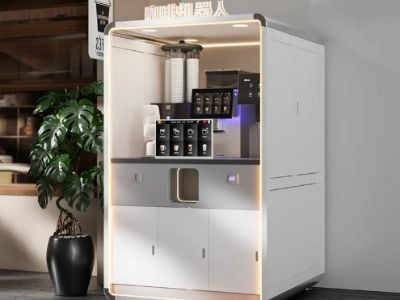
Smart coffee machines with a cloud back-end are revolutionizing the way businesses manage their coffee service operations. These advanced machines not only brew high-quality coffee but also enable remote fleet management through IoT technology. For purchasing managers, distributors, and engineers, understanding how these smart systems work is crucial for optimizing operations, maintaining quality, and reducing costs. This article will explore the key specifications, quality evaluations, and troubleshooting tips for smart coffee machines, ensuring you make informed purchasing decisions.
Key Specifications for Smart Coffee Machines with Cloud Back-End
When evaluating smart automatic coffee machine, several key specifications should be considered to ensure they meet your operational needs. These include:
Connectivity Options: Look for machines that offer robust cloud connectivity options, allowing for real-time data transfer and remote management. This feature is essential for monitoring machine performance, inventory levels, and maintenance needs.
Capacity and Output: Consider the daily coffee output and storage capacity of the machine. Depending on your business size, you may need a machine that can handle high volumes without sacrificing quality. For example, a commercial machine might produce hundreds of cups a day, while a home unit might suffice for smaller operations.
User Interface: A user-friendly interface allows for easy programming and monitoring. Touchscreen interfaces with customizable settings can streamline operations and enhance user experience.
Energy Efficiency: Machines equipped with energy-saving features can significantly reduce operational costs. Look for models with energy-efficient certifications.
Maintenance Alerts: A smart coffee machine should provide alerts for maintenance, such as descaling or filter replacements, ensuring optimal performance and longevity.
Evaluating the Quality of Automated Coffee Machines for Wholesale
Quality is paramount when selecting automated coffee machines for wholesale. Here are several factors to evaluate:
Materials and Build Quality: The machine’s construction should utilize durable materials that can withstand the rigors of commercial use. Stainless steel components are often preferred for their corrosion resistance and longevity.
Brewing Technology: Assess the brewing technology used in the machine. Models employing advanced brewing methods, such as pressure brewing or precision temperature control, can significantly enhance the flavor and quality of the coffee.
Certifications: Verify if the machines comply with industry standards and certifications. This may include food safety certifications, energy efficiency ratings, and environmental compliance.
Quality Control Processes: Understand the manufacturer’s quality control processes during production. A reputable manufacturer will have stringent quality checks at various stages of production to ensure consistency and performance.
Warranty and Support: A strong warranty and responsive customer support indicate a manufacturer’s confidence in their product’s quality. Ensure that the warranty covers essential components and includes support for troubleshooting.
How to Choose the Right Smart Coffee Machine for Your Needs
Selecting the right smart coffee machine involves a thorough understanding of your specific requirements. Here are essential steps to guide your decision:
Assess Your Volume Needs: Determine the expected coffee volume based on your customer base or employee count. This assessment will influence the machine size and capacity you need.
Evaluate Features: List the features that are most important for your operation. For instance, if remote management is crucial, prioritize machines that integrate seamlessly with cloud platforms.
Consider Customization Options: Some machines allow for customization in brewing strength, temperature, and cup size. If your clientele has diverse preferences, this feature can enhance customer satisfaction.
Compare Models: Research and compare different models from various manufacturers. Look for user reviews and testimonials to gauge performance and reliability.
Request Product Samples: Before committing, request product samples to evaluate the machine's performance and coffee quality in real-world conditions. This step can help identify any potential operational issues early.
Troubleshooting Common Issues with Cloud-Connected Coffee Machines
Even the most advanced coffee machines may encounter issues. Here are common problems and troubleshooting tips:
Connectivity Problems: If the machine cannot connect to the cloud, check the network settings and ensure that the machine’s firmware is up to date. Restarting the device often resolves minor connectivity issues.
Inconsistent Coffee Quality: Variations in coffee taste may arise from incorrect settings or calibration. Ensure that the brewing parameters are set correctly, and refer to the manufacturer's guidelines for calibration.
Maintenance Alerts Not Functioning: If maintenance alerts are not triggering, inspect the machine’s software for updates. Keeping the software current ensures that all features function correctly.
Physical Blockages: Clogs in the brewing system can lead to poor performance. Regular cleaning and maintenance are essential to prevent blockages, particularly in high-volume settings.
User Error: Sometimes, issues arise from user misunderstanding. Providing thorough training for staff on operating the machine can mitigate many operational problems.
Where to Find Reliable Suppliers for Smart Coffee Machines
Finding a trustworthy supplier for smart coffee machines is crucial for ensuring consistent quality and support. Here are tips for identifying reliable manufacturers:
Industry Reputation: Research suppliers known for their expertise in fully automatic commercial coffee machine. Look for companies with a proven track record and positive reviews from other businesses.
Certifications and Compliance: Ensure that the supplier adheres to relevant industry certifications. This demonstrates their commitment to quality and safety standards.
Customer Support: Evaluate the level of customer support offered. A reliable supplier should provide comprehensive support, including technical assistance and training resources.
Supply Chain Reliability: Consider the supplier’s ability to deliver consistent and timely shipments. A supplier with a robust logistics network can minimize downtime in your operations.
Customization and Flexibility: Assess whether the supplier can accommodate specific customization requests or variations in order size. This flexibility can be crucial for meeting unique business needs.
By understanding these factors, purchasing managers and distributors can make informed decisions about smart coffee machines with cloud back-end support, ensuring that their operations run smoothly and efficiently.
Table of Contents
- Key Specifications for Smart Coffee Machines with Cloud Back-End
- Evaluating the Quality of Automated Coffee Machines for Wholesale
- How to Choose the Right Smart Coffee Machine for Your Needs
- Troubleshooting Common Issues with Cloud-Connected Coffee Machines
- Where to Find Reliable Suppliers for Smart Coffee Machines