
 EN
 AR
 BG
 CS
 DA
 NL
 FI
 FR
 DE
 EL
 IT
 JA
 KO
 NO
 PL
 PT
 RO
 RU
 ES
 SV
 TL
 ID
 LT
 SR
 UK
 HU
 TH
 TR
 FA
 AF
 MS
 GA
 IS
 MK
 HY
 LA
 MN
 NE
 KK
 UZ

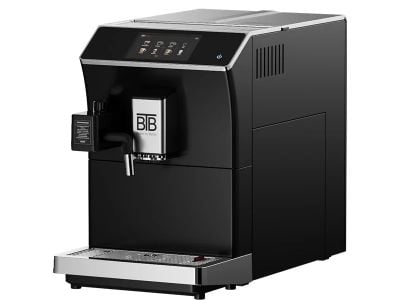
When considering the purchase of commercial coffee machines from a factory, importers must conduct a thorough audit to ensure they select the right equipment for their needs. The process involves evaluating various factors, including product specifications, quality assurance, and cost implications. This article will guide you through what importers should audit before buying commercial coffee machines for sale from a factory, helping you make informed purchasing decisions that align with your operational requirements.
What to Consider When Choosing Commercial Coffee Machines for Wholesale?
When selecting commercial coffee machines for wholesale, importers should focus on several key factors. First, consider the intended application whether the machines are for high-volume cafes, restaurants, or smaller establishments as this will dictate the necessary features and capabilities.
Next, examine the technology used in the machines. BTB’s fully automated professional coffee machines, for example, integrate an IoT platform for intelligent remote management and cloud data analysis, which can significantly enhance operational efficiency. Buyers should assess how these technological features align with their business model and the potential for scalability.
Additionally, consider the machine's capacity, ease of use, and maintenance requirements. A user-friendly interface can minimize training time, while robust construction can ensure longevity and reduce downtime.
Key Specifications to Evaluate Before Buying Coffee Machines
Understanding the technical specifications of coffee machines is crucial for importers. Key specifications to evaluate include:
Brewing Capacity: This refers to the volume of coffee a machine can produce per hour. Higher capacity machines are essential for busy establishments.
Pressure and Temperature Control: Machines should maintain consistent brewing temperatures and pressure for optimal coffee extraction. Importers should inquire about the machine's ability to handle variations in water supply and ambient conditions.
Material Quality: Components made from durable materials such as stainless steel are preferable for longevity and ease of cleaning. Understanding the grade of materials used can affect the coffee machines for offices machine's performance and lifespan.
Energy Efficiency: With increasing focus on sustainability, it’s vital to assess the energy consumption of the machines. Energy-efficient models can lower operating costs and appeal to environmentally conscious consumers.
How to Assess the Quality of Coffee Machines from Suppliers?
Quality assessment is a significant step in the procurement process. Importers should request samples or demonstrations to evaluate the machine's performance in real-world conditions. During this process, consider the following:
Finish and Build Quality: Inspect the machine for any signs of poor craftsmanship, such as uneven seams or loose components. A well-constructed machine will typically perform better and require less maintenance.
Warranty and Support: Evaluate the warranty terms offered by the supplier. A robust warranty indicates the manufacturer’s confidence in the product quality and provides buyers with peace of mind.
User Reviews and References: Seek feedback from existing users of the machines to understand their experiences. This can provide valuable insights into reliability and service after the sale.
Cost Factors Importers Should Analyze When Purchasing Coffee Machines
Cost analysis is critical for importers to ensure they remain competitive. Beyond the initial purchase price, consider the following factors:
Total Cost of Ownership: This includes purchase price, shipping costs, installation, and any ongoing maintenance. A lower upfront cost may be enticing but could lead to higher long-term expenses if the machine is less efficient or requires frequent repairs.
Customization Options: Some suppliers may offer customization that can better meet specific operational needs. However, this could increase costs, so weigh the benefits against the additional expense.
Minimum Order Quantities (MOQ): Suppliers often have MOQs that can affect overall costs. Assess whether you can meet these requirements without overextending your budget or inventory space.
Common Problems with Coffee Machines and Solutions for Buyers
Importers should be aware of potential issues that may arise with coffee machines and how to address them. Common problems include:
Inconsistent Brewing: This can stem from issues with temperature control or pressure. Buyers should ensure that machines come with reliable controls and consider maintenance schedules to prevent such problems.
Clogging and Maintenance Issues: Regular cleaning and maintenance are essential to prevent clogs, particularly in machines that use coffee beans. Importers should inquire about the machine’s ease of disassembly and cleaning protocols.
Supplier Reliability: Problems can arise if the top rated automatic coffee machines supplier is unable to meet demand for parts or service. Establishing a relationship with a reliable supplier, like BTB, who can provide ongoing support and parts supply can mitigate this risk.
By thoroughly auditing these aspects before purchasing, importers can make more informed decisions, ensuring that the commercial coffee machines they choose will meet their operational requirements and contribute positively to their business.
Table of Contents
- What to Consider When Choosing Commercial Coffee Machines for Wholesale?
- Key Specifications to Evaluate Before Buying Coffee Machines
- How to Assess the Quality of Coffee Machines from Suppliers?
- Cost Factors Importers Should Analyze When Purchasing Coffee Machines
- Common Problems with Coffee Machines and Solutions for Buyers