
 EN
 AR
 BG
 CS
 DA
 NL
 FI
 FR
 DE
 EL
 IT
 JA
 KO
 NO
 PL
 PT
 RO
 RU
 ES
 SV
 TL
 ID
 LT
 SR
 UK
 HU
 TH
 TR
 FA
 AF
 MS
 GA
 IS
 MK
 HY
 LA
 MN
 NE
 KK
 UZ

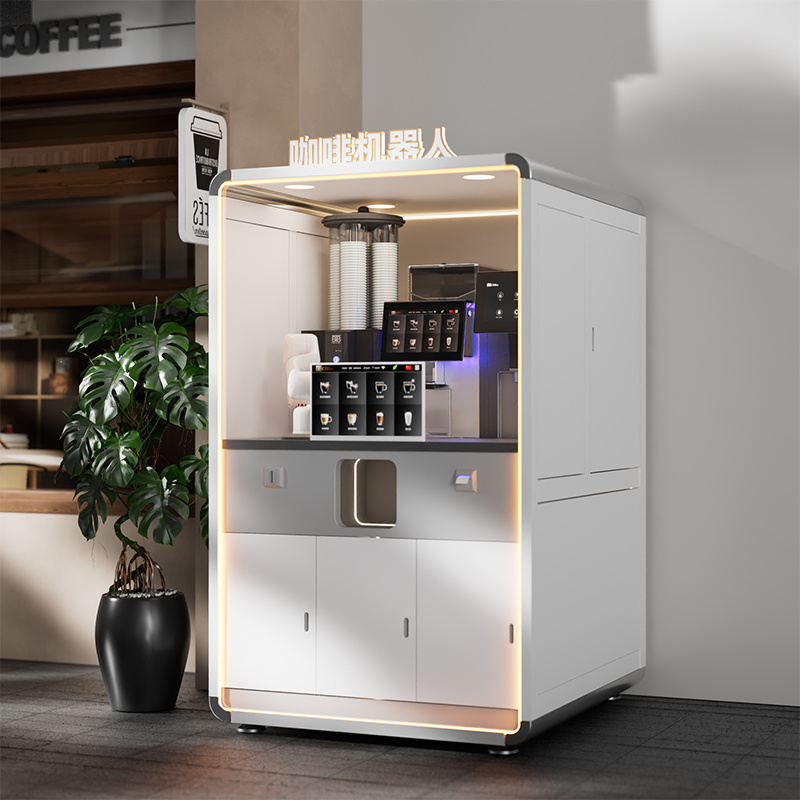
When sourcing commercial coffee machines in volume, OEM buyers must navigate a complex landscape filled with various specifications, supplier reliability, and quality assurance measures. Understanding what OEM buyers should verify before making such purchases is crucial to ensuring a successful procurement process. This article delves into essential considerations, helping buyers make informed decisions that align with their operational requirements and customer expectations.
What Key Specifications to Evaluate for Commercial Coffee Machines
When evaluating commercial coffee machine, several key specifications warrant attention. First, consider the machine's brewing capacity, typically measured in cups per hour. A machine that brews too slowly may not meet high-demand environments, while one with excessive capacity can lead to unnecessary costs.
Next, examine the machine's brewing temperature and pressure settings. Optimal brewing usually occurs between 195°F and 205°F at around 9 bars of pressure. Insufficient temperature can lead to under-extraction, while excessive pressure may result in bitter coffee.
Also, assess the machine's dimensions to ensure it fits within your intended space and meets your operational workflow. Additional features such as programmable settings, user interface design, and energy efficiency ratings are also critical. These specifications not only impact usability but can also influence energy costs and overall efficiency.
How to Choose Reliable Suppliers for Bulk Coffee Machine Orders
Selecting a reliable supplier for bulk coffee machines is essential for maintaining quality and consistency. Start by researching potential suppliers' track records and industry experience. Look for manufacturers with a strong background in producing commercial coffee machines, as this can indicate reliability and expertise.
Next, verify their production capabilities and quality control processes. A reputable supplier should provide documentation of their manufacturing practices, including quality assurance certifications and inspection protocols. Requesting references or case studies from previous clients can also offer insights into the supplier's reliability and customer service.
Furthermore, consider the supplier's responsiveness and communication style during the inquiry process. A supplier that engages effectively and addresses your questions promptly is likely to provide better service throughout the purchasing cycle.
What to Expect When Sourcing Coffee Machines
Sourcing fully automatic commercial coffee machine involves various stages, each requiring careful consideration. Expect to engage in detailed discussions about your specific requirements, including model selection, customization options, and pricing structures. It’s vital to communicate your operational needs, such as expected volume and any specific features that enhance user experience.
During the negotiation phase, be prepared for discussions surrounding minimum order quantities (MOQ), lead times, and payment terms. Understanding these factors can help you align expectations with your business needs and budget constraints.
After placing an order, anticipate a product sample approval process. This step enables you to evaluate the machine's performance, ensuring it meets your specifications before mass production. This phase is critical for identifying any potential issues early on.
What to Verify About Product Quality in Coffee Machine Manufacturing
Product quality is paramount when sourcing coffee machines. Start by confirming the material quality used in manufacturing. High-quality materials can enhance machine durability and performance. For instance, stainless steel components are often preferred for their corrosion resistance and longevity.
Next, scrutinize the manufacturing processes. A well-structured production line should include rigorous quality control measures at each stage, from initial assembly to final inspections. Request documentation that outlines these processes, including any certifications that validate adherence to industry standards.
Additionally, inquire about the manufacturer’s testing protocols. Machines should undergo comprehensive testing to ensure they meet performance specifications. This might include checks for brewing consistency, temperature accuracy, and user interface functionality.
How Material Choices Impact the Performance of Coffee Machines
Material selection significantly influences the performance and lifespan of commercial automatic coffee machine. Stainless steel, for instance, is often favored for its durability and resistance to heat and corrosion. This material choice not only affects the machine's appearance but also its operational longevity and maintenance requirements.
Plastic components, while lighter and often more cost-effective, may not withstand the same wear and tear as metal parts. If a machine has a high volume of use, opting for heavier-duty materials can prevent frequent replacements and service interruptions.
Moreover, consider how material choices affect thermal conductivity. Materials with poor thermal retention may lead to inconsistent brewing temperatures, impacting the quality of the coffee produced. Buyers should weigh the benefits of different materials against their specific operational needs and budget.
Understanding these specifications, supplier evaluations, quality assurance practices, and material choices equips OEM buyers with the essential knowledge to navigate the complexities of sourcing commercial coffee machines effectively. By verifying these critical aspects, buyers can ensure they make informed decisions that align with their operational goals.
Table of Contents
- What Key Specifications to Evaluate for Commercial Coffee Machines
- How to Choose Reliable Suppliers for Bulk Coffee Machine Orders
- What to Expect When Sourcing Coffee Machines
- What to Verify About Product Quality in Coffee Machine Manufacturing
- How Material Choices Impact the Performance of Coffee Machines