
 EN
EN
 AR
AR
 BG
BG
 CS
CS
 DA
DA
 NL
NL
 FI
FI
 FR
FR
 DE
DE
 EL
EL
 IT
IT
 JA
JA
 KO
KO
 NO
NO
 PL
PL
 PT
PT
 RO
RO
 RU
RU
 ES
ES
 SV
SV
 TL
TL
 ID
ID
 LT
LT
 SR
SR
 UK
UK
 HU
HU
 TH
TH
 TR
TR
 FA
FA
 AF
AF
 MS
MS
 GA
GA
 IS
IS
 MK
MK
 HY
HY
 LA
LA
 MN
MN
 NE
NE
 KK
KK
 UZ
UZ

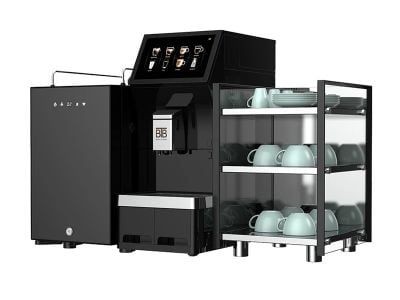
In today’s competitive landscape, a purpose-built coffee maker for business strengthens brand experience at every touch point, enhancing customer interactions and employee satisfaction. Purchasing managers and distributors are particularly concerned with product reliability, operational efficiency, and how equipment can reflect their brand's values. This article will explore critical specifications, quality comparisons, cost considerations, common issues, and applications of purpose-built coffee makers, guiding buyers in making informed decisions.
Key Specifications to Evaluate in Commercial Coffee Machines
When assessing commercial coffee machines, buyers should focus on several key specifications, including brewing capacity, machine dimensions, and ease of maintenance.
Brewing Capacity: This is crucial for businesses expecting high customer volume. Machines should be able to brew multiple cups simultaneously to prevent delays during peak hours. Evaluating the maximum output per hour can help ensure it meets the operational demands.
Dimensions and Footprint: The size of the coffee machine is often dictated by the available space in the business. Buyers should consider the machine's footprint, ensuring it fits within the designated area while allowing room for operation and maintenance.
Ease of Maintenance: A machine that is easy to clean and maintain can save time and reduce operational costs. Features such as removable parts, automatic cleaning cycles, and clear maintenance indicators can enhance usability.
Connectivity and Smart Features: With BTB’s IoT platform, the ability to remotely manage and monitor machine performance can optimize operations, alerting staff to maintenance needs or supply levels, thus enhancing efficiency.
Material Quality and Durability: Stainless steel components can provide longevity and ease of cleaning, whereas cheaper materials may lead to faster wear and tear, impacting product quality and brand reputation over time.
Comparing the Quality of Purpose-Built Coffee Makers for Wholesale
When selecting purpose-built coffee makers for wholesale, quality comparison is vital. Key factors include brewing technology, taste consistency, and energy efficiency.
Brewing Technology: Machines using advanced brewing methods like pressure brewing or immersion can offer superior flavor extraction compared to traditional drip machines. Understanding the brewing process can help buyers select machines that deliver exceptional taste consistently.
Taste Consistency: Regular calibration and quality control processes in manufacturing can ensure that each cup brewed meets the same taste standards. Buyers should inquire about the manufacturer’s practices in maintaining consistency across production batches.
Energy Efficiency: Machines that meet energy efficiency standards not only reduce operational costs but also reflect a commitment to sustainability. Look for models with energy-saving features, such as programmable settings that minimize power usage during off-peak hours.
Customer Reviews and Case Studies: Reading reviews and case studies from similar businesses can provide insights into real-world performance and reliability, helping buyers make a more informed decision.
Cost Factors to Consider When Purchasing Coffee Machines for Business
Understanding the total cost of ownership (TCO) is essential when purchasing coffee machines. This includes not only the initial purchase price but also ongoing operational costs.
Initial Purchase Price: While it may be tempting to choose the least expensive option, it is crucial to consider the long-term value. Higher-quality machines may have a higher upfront cost but can lead to savings through enhanced durability and decreased maintenance.
Operational Costs: Factors such as energy consumption, water usage, and the cost of coffee supplies will impact ongoing expenses. Evaluating the machine’s efficiency in these areas can help buyers project total costs accurately.
Maintenance and Repair: Understanding warranty terms and the availability of replacement parts is crucial. automatic coffee maker machine requiring frequent repairs can negate initial savings.
Training and Labor: Consider the training time required for staff to operate the machines efficiently. Complex machines may require more extensive training, impacting labor costs.
Common Problems with Coffee Makers and Effective Solutions for Buyers
Buyers should be aware of common issues associated with commercial coffee makers and how to mitigate them effectively.
Inconsistent Brew Quality: This can often be traced back to improper calibration or maintenance. Regular training for staff on maintenance best practices and implementing a routine check-up schedule can alleviate this issue.
Frequent Breakdowns: Machines that are not built for heavy use may break down frequently. Investing in higher-quality machines designed for commercial use can reduce downtime and repair costs.
Clogged Filters and Water Lines: Clogging can lead to reduced performance and flavor quality. Buyers should consider machines with easily accessible filters and self-cleaning features to minimize this risk.
Supply Chain Issues: Maintaining a consistent supply of smart coffee makers and other necessary ingredients is vital. Establishing relationships with reliable suppliers and considering bulk purchasing can help ensure availability.
Exploring Applications of Purpose-Built Coffee Makers Across Industries
Purpose-built coffee makers find applications across various industries, each with unique requirements.
Hospitality: In hotels and restaurants, coffee makers must deliver quality beverages quickly to satisfy customer demands. Machines equipped with programmable settings can cater to diverse customer preferences, enhancing guest experience.
Corporate Offices: Coffee makers in office settings improve employee satisfaction and productivity. Machines that offer a variety of beverages can cater to different tastes, making them a valuable addition to break rooms.
Retail Environments: In retail settings, coffee machines that support self-service can enhance customer interaction and drive sales. Features like touchscreens or IoT connectivity can streamline operations and provide valuable data on customer preferences.
Healthcare: In hospitals and clinics, automatic coffee maker must be safe and easy to use for both staff and visitors. Machines that can provide high-quality beverages quickly can improve the overall experience in healthcare environments.
investing in a purpose-built coffee maker can significantly enhance brand experience across various touch points. Buyers should carefully evaluate specifications, quality, and cost factors to ensure they select the right machine for their needs, ultimately supporting operational efficiency and customer satisfaction.
Table of Contents
- Key Specifications to Evaluate in Commercial Coffee Machines
- Comparing the Quality of Purpose-Built Coffee Makers for Wholesale
- Cost Factors to Consider When Purchasing Coffee Machines for Business
- Common Problems with Coffee Makers and Effective Solutions for Buyers
- Exploring Applications of Purpose-Built Coffee Makers Across Industries