
 EN
EN
 AR
AR
 BG
BG
 CS
CS
 DA
DA
 NL
NL
 FI
FI
 FR
FR
 DE
DE
 EL
EL
 IT
IT
 JA
JA
 KO
KO
 NO
NO
 PL
PL
 PT
PT
 RO
RO
 RU
RU
 ES
ES
 SV
SV
 TL
TL
 ID
ID
 LT
LT
 SR
SR
 UK
UK
 HU
HU
 TH
TH
 TR
TR
 FA
FA
 AF
AF
 MS
MS
 GA
GA
 IS
IS
 MK
MK
 HY
HY
 LA
LA
 MN
MN
 NE
NE
 KK
KK
 UZ
UZ

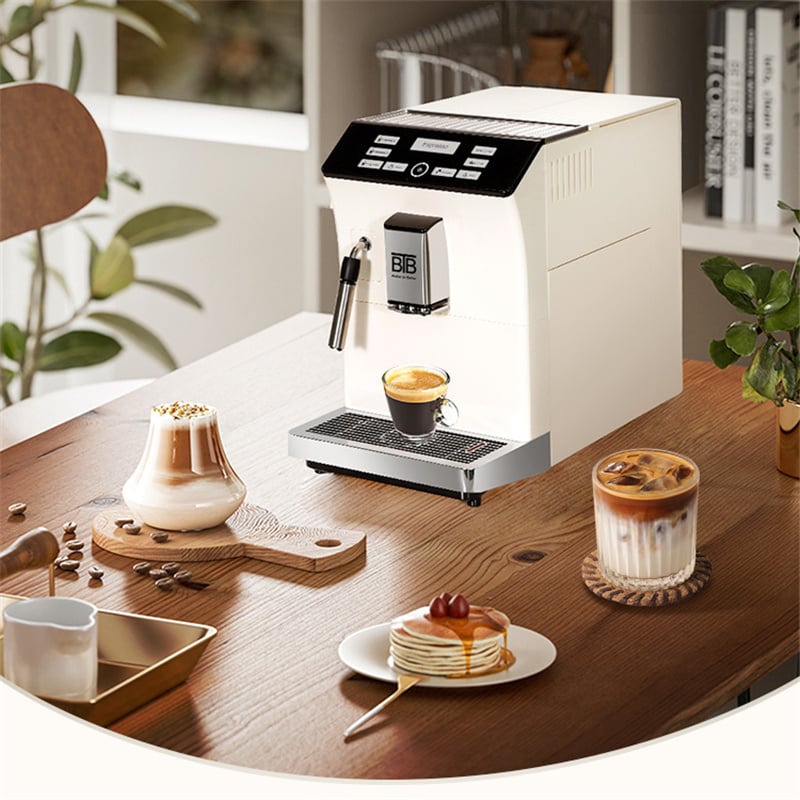
Sourcing a commercial espresso machine that cuts labor costs in high-volume cafes involves careful consideration of various factors, including machine specifications, quality, and potential operational challenges. Buyers, particularly purchasing managers and cafe owners, are keen to find equipment that not only meets their volume needs but also optimizes efficiency and minimizes overhead. This article will guide you through the essential aspects to consider while sourcing a commercial espresso machine tailored for high-volume environments.
Choosing the Right Commercial Espresso Machine for High Volume Needs
When selecting a commercial espresso machine for high-volume cafes, it's crucial to assess your business's specific demands. High-volume environments typically require machines that can produce a significant number of drinks per hour without compromising quality. Key features to look for include automation, brewing speed, and the ability to handle multiple orders simultaneously. For instance, fully automated machines can offer consistency and reduce the need for extensive barista training, thereby lowering labor costs.
Additionally, consider the machine's footprint and energy efficiency. A compact design may save space in smaller cafes, while energy-efficient models can reduce utility costs over time. Evaluate whether the machine has features such as programmable settings for different beverages, which can streamline operations and enhance customer satisfaction.
How to Evaluate Quality in Commercial Espresso Machines for Cafes
Quality is paramount when sourcing a commercial espresso machine, especially in high-volume settings where reliability is essential. Begin by examining the materials used in the machine’s construction. Stainless steel is often preferred for its durability and ease of cleaning, which is vital in maintaining hygiene standards in a cafe environment.
Next, assess the machine’s components, such as the boiler system and pumps. A dual boiler system allows for simultaneous brewing and steaming, which is beneficial during peak hours. It's also advisable to check for certifications that indicate adherence to safety and quality standards, as these can be important for warranty and service agreements.
Additionally, consider the machine's maintenance requirements. Machines that are easier to service and require less frequent repairs can significantly reduce downtime and associated labor costs. Look for models that offer user-friendly interfaces for troubleshooting and maintenance checks.
Key Specifications to Consider When Sourcing Espresso Machines
Several technical specifications are critical when evaluating commercial espresso machine for high-volume usage:
Boiler Capacity: A larger boiler allows for greater steam production, which is essential for frothing milk quickly during busy periods.
Pump Pressure: Consistent pump pressure (ideally around 9 bars) is vital for extracting optimal flavor from coffee grounds, ensuring high-quality beverages.
Temperature Stability: Machines with advanced temperature control features help maintain consistency in beverage quality, which can influence customer satisfaction and repeat business.
Brew Group Design: A well-designed brew group ensures even extraction and minimizes the risk of channeling, which can affect the taste of the espresso.
Connectivity Features: Machines equipped with IoT capabilities facilitate remote monitoring and can optimize operations by providing real-time data analysis.
Understanding these specifications helps buyers select machines that suit their operational needs and improve overall efficiency.
Common Problems with Espresso Machines and Effective Solutions
High-volume cafes often encounter specific challenges with espresso machines that can impact performance. Common issues include inconsistent extraction, overheating, and maintenance challenges.
One common problem is scale buildup, which can affect water flow and heating efficiency. Implementing regular descaling schedules based on water hardness in your area can mitigate this issue. Another frequent concern is inconsistent temperature; machines with dual boiler systems can help maintain stable brewing temperatures, thus preventing fluctuations that may result in poor coffee quality.
Moreover, ensure your staff is trained to perform basic troubleshooting, such as identifying warning lights or error messages on the machine's display. This proactive approach can save time and reduce reliance on service calls, ultimately cutting labor costs.
Bulk Order Opportunities for High-Volume Espresso Equipment
When sourcing top rated automatic espresso machines for high-volume operations, consider the potential benefits of placing bulk orders. Many manufacturers, including BTB, offer discounts for large purchases, which can significantly reduce your overall equipment investment. Additionally, ordering multiple units at once can streamline the procurement process, ensuring that all machines are consistent in features and specifications.
Engaging with suppliers about customization options is also worthwhile. Custom branding and specific feature requests can enhance the customer experience and operational efficiency. Before finalizing any orders, confirm lead times and delivery schedules to avoid disruptions in your cafe operations.
In summary, sourcing a commercial espresso machine that effectively cuts labor costs in high-volume cafes requires a thorough understanding of various specifications, quality indicators, and potential challenges. By focusing on these elements, you can make informed decisions that optimize your cafe's operations and enhance customer satisfaction.
Table of Contents
- Choosing the Right Commercial Espresso Machine for High Volume Needs
- How to Evaluate Quality in Commercial Espresso Machines for Cafes
- Key Specifications to Consider When Sourcing Espresso Machines
- Common Problems with Espresso Machines and Effective Solutions
- Bulk Order Opportunities for High-Volume Espresso Equipment