
 EN
EN
 AR
AR
 BG
BG
 CS
CS
 DA
DA
 NL
NL
 FI
FI
 FR
FR
 DE
DE
 EL
EL
 IT
IT
 JA
JA
 KO
KO
 NO
NO
 PL
PL
 PT
PT
 RO
RO
 RU
RU
 ES
ES
 SV
SV
 TL
TL
 ID
ID
 LT
LT
 SR
SR
 UK
UK
 HU
HU
 TH
TH
 TR
TR
 FA
FA
 AF
AF
 MS
MS
 GA
GA
 IS
IS
 MK
MK
 HY
HY
 LA
LA
 MN
MN
 NE
NE
 KK
KK
 UZ
UZ

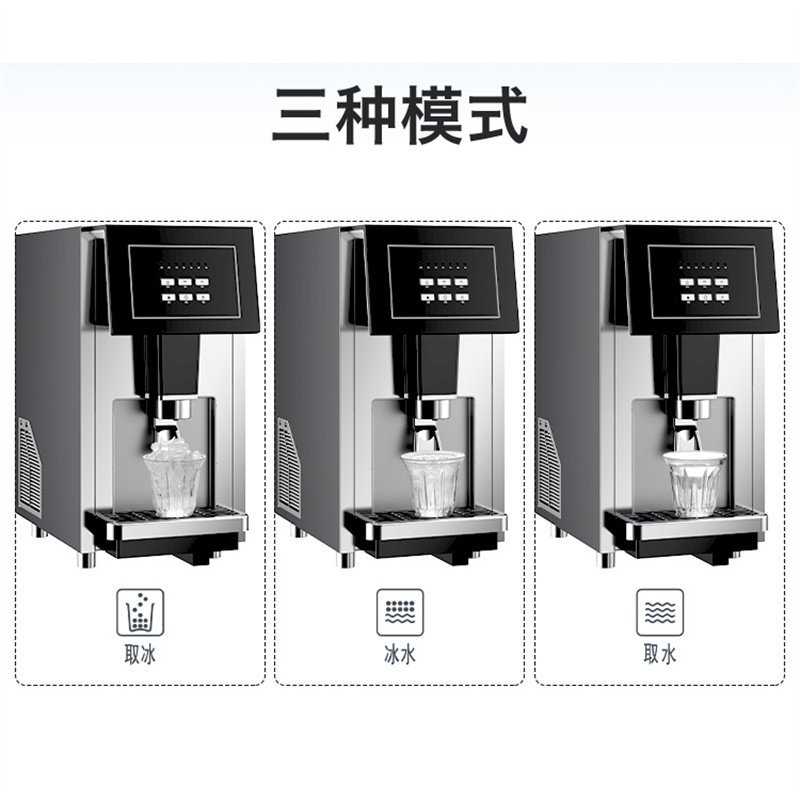
Energy efficient ice maker machines for commercial coffee service are essential for any business that aims to provide high-quality beverages while reducing operational costs. These machines not only supply the necessary ice for drinks but also contribute to energy savings that can significantly impact the bottom line. We will explore what to consider when choosing an energy-efficient ice maker, the cost factors for bulk orders, installation guidance, common problems and solutions, and application scenarios specific to coffee services.
What to Consider When Choosing an Energy Efficient Ice Maker Machine
When selecting an energy-efficient ice maker for commercial coffee service, several key factors should be evaluated to ensure optimal performance and cost-effectiveness.
Energy Consumption: Look for machines with high energy efficiency ratings. These models typically consume less electricity while producing the same amount of ice as less efficient competitors. Understanding the Energy Star ratings can guide buyers toward more sustainable options.
Production Capacity: Assess your business's ice needs. Machines vary in their ice production rates, typically measured in pounds per day. Choose a model that comfortably meets peak demand without overproducing, which can lead to unnecessary energy consumption.
Ice Type and Size: Different applications may require different types of ice (e. g., nugget, flake, or cube). For coffee services, the ice cube size can affect the drink's dilution rate and aesthetic appeal.
Maintenance Requirements: Energy-efficient models often come equipped with self-cleaning features, which reduce maintenance time and prolong the machine's life. Consider how easy it is to access components for routine checks and repairs.
Durability and Construction Materials: Stainless steel models are often the most durable and resistant to corrosion, making them suitable for busy commercial environments.
By evaluating these factors, purchasing managers can make informed decisions that align with their operational requirements and sustainability goals.
Cost Factors to Consider for Bulk Orders of Ice Maker Machines
When purchasing energy-efficient ice maker machine in bulk, several cost factors come into play. Understanding these can help buyers negotiate better deals and manage their budgets effectively.
Unit Price vs. Total Cost of Ownership: While the initial purchase price is important, consider the total cost of ownership over the machine's lifespan. This includes energy costs, maintenance, and potential repair needs. Energy-efficient machines may have a higher upfront cost but can save money in the long run.
Shipping and Handling Fees: Bulk orders may incur additional shipping costs, especially if the machines need to be transported long distances. Evaluate shipping options and timelines to minimize costs.
MOQ (Minimum Order Quantity): Suppliers often set a minimum order quantity that can affect pricing. Understanding the MOQ can help you plan purchases more strategically, especially if there are budget constraints.
Warranty and Service Agreements: Inquire about warranty coverage and service agreements when making bulk purchases. The cost of extended warranties may be worth it for high-use environments, providing peace of mind for maintenance and repairs.
Potential Discounts: Many manufacturers offer discounts for bulk purchases. It's advisable to discuss these options upfront to maximize savings.
By considering these cost factors, buyers can effectively manage their procurement processes, ensuring they receive the best value for their investment.
Installation Guidance for Energy Efficient Ice Maker Machines in Commercial Settings
Proper installation is crucial for the effective operation of energy-efficient ice maker machines. Here are essential guidelines for installation in commercial settings:
Location Selection: Choose a location that allows for adequate ventilation and easy access to water and drainage lines. Ice makers should also be placed away from direct sunlight and heat sources to maintain optimal efficiency.
Water Supply: Ensure that the water supply meets the manufacturer's specifications for pressure and quality. Hard water can lead to scale buildup, which reduces efficiency. Consider installing a water filtration system if necessary.
Electrical Requirements: Verify that the electrical supply meets the ice maker's requirements. It's advisable to consult with a licensed electrician to ensure proper voltage and amperage are supplied.
Drainage Setup: Proper drainage is critical to prevent water pooling and potential damage. Follow the manufacturer's recommendations for drainage installation, including slope and pipe size.
Testing and Calibration: Once installed, run the machine through a full cycle to test its operation. Check for leaks, ensure the ice production meets specifications, and calibrate the settings as needed.
Following these guidelines can help ensure that the countertop ice maker operates efficiently and effectively, minimizing the likelihood of future issues.
Common Problems with Ice Maker Machines and Their Effective Solutions
Ice maker machines can encounter several common problems that may affect their performance. Understanding these issues and their solutions can help maintain operational efficiency.
Low Ice Production: If the machine is not producing enough ice, it may be due to insufficient water supply, clogged filters, or low temperatures. Check the water supply and clean any filters or components as needed.
Ice Clumping or Jamming: This often occurs due to humidity or incorrect temperature settings. Ensure that the ice storage bin is properly insulated and that the temperature settings are within the manufacturer’s recommended range.
Unusual Noises: Grinding or rattling noises can indicate loose parts or foreign objects in the machine. Inspect the unit and tighten any loose components.
Leaks: Water pooling around the ice maker may signify a clogged drain or faulty water supply connection. Check all hoses and fittings for integrity and clean or replace as necessary.
Control Panel Issues: If the machine fails to operate, it could be a result of electrical issues or faulty components. Consult the manufacturer’s troubleshooting guide for specific steps and consider professional servicing if needed.
By proactively addressing these common problems, buyers can ensure their ice maker machines operate efficiently and reliably.
Application Scenarios for Energy Efficient Ice Makers in Coffee Services
Energy-efficient portable ice maker machine have various applications within commercial coffee services, enhancing drink preparation and customer experience. Here are some scenarios:
Iced Coffee and Specialty Drinks: Many coffee shops offer iced coffee drinks that require a consistent supply of quality ice. An efficient ice maker ensures that staff can quickly prepare beverages without delays.
Blended Beverages: For establishments serving blended drinks, such as frappes or smoothies, having a reliable ice machine is essential for maintaining the texture and cooling effect of these beverages.
Cocktail Services: Coffee shops that also serve alcoholic beverages can benefit from ice makers that produce multiple ice types to suit different drink recipes, ensuring versatility and customer satisfaction.
Quick Serve Restaurants: In fast-paced environments, energy-efficient ice makers can help streamline operations, allowing staff to focus on customer service rather than equipment malfunctions or downtime.
Catering Services: For coffee catering events, portable ice makers can provide a convenient solution for on-site ice production, ensuring that beverages are served at the ideal temperature.
By understanding these application scenarios, coffee service managers can better appreciate the value of investing in energy-efficient ice maker machines, leading to improved service delivery and customer satisfaction.
Table of Contents
- What to Consider When Choosing an Energy Efficient Ice Maker Machine
- Cost Factors to Consider for Bulk Orders of Ice Maker Machines
- Installation Guidance for Energy Efficient Ice Maker Machines in Commercial Settings
- Common Problems with Ice Maker Machines and Their Effective Solutions
- Application Scenarios for Energy Efficient Ice Makers in Coffee Services