
 EN
 AR
 BG
 CS
 DA
 NL
 FI
 FR
 DE
 EL
 IT
 JA
 KO
 NO
 PL
 PT
 RO
 RU
 ES
 SV
 TL
 ID
 LT
 SR
 UK
 HU
 TH
 TR
 FA
 AF
 MS
 GA
 IS
 MK
 HY
 LA
 MN
 NE
 KK
 UZ

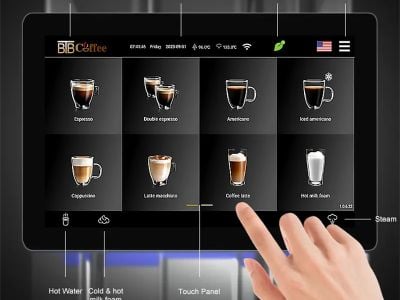
A built-in commercial coffee grinder is essential for achieving bean-to-cup consistency in coffee machines. This integration allows for precise control over grind size and freshness, which are critical for the flavor profile of the coffee served. For B2B buyers, such as purchasing managers and coffee shop owners, the reliability and performance of these grinders can significantly impact customer satisfaction and operational efficiency. This article will help you understand the key specifications to consider, installation guidance, common issues, applications, and tips for choosing the right built-in grinder for your coffee business
Key Specifications to Evaluate in Commercial Coffee Grinders
When selecting a built-in commercial coffee grinder, several key specifications should be evaluated to ensure optimal performance
Grind Size Settings: The ability to adjust grind size is crucial for different brewing methods. A grinder with multiple settings allows for versatility, ensuring that the coffee can be tailored to espresso, drip, or French press methods
Burr Type: Commercial grinders typically use flat or conical burrs. Conical burrs are often preferred for their consistency and ability to produce uniform grinds with less heat retention, which can impact flavor
Grinding Speed: The speed at which the grinder operates can affect the temperature of the coffee grounds. High-speed grinders can produce heat that may alter the flavor, so it's essential to find a balance between speed and quality
Hopper Capacity: Depending on the volume of coffee being served, the hopper's capacity should align with operational needs. A large capacity reduces the frequency of refills, which can streamline workflow during peak hours
Build Quality and Materials: The materials used in construction will influence durability and ease of cleaning. Stainless steel components are preferable for their resistance to wear and ease of maintenance
Noise Level: In a commercial environment, noise can affect the customer experience. Assessing the noise level during operation can help ensure that the grinder operates quietly enough for a pleasant ambiance
By focusing on these specifications, buyers can ensure they select a grinder that meets their operational needs while delivering high-quality coffee

Installation Guidance for Built-In Grinders in Coffee Machines
Installing a built-in commercial coffee grinder requires careful planning to ensure compatibility and efficiency. Here are some essential steps
Compatibility Check: Verify that the grinder is compatible with your coffee machine model. This includes checking the electrical requirements, dimensions, and any specific mounting hardware needed
Location Considerations: The grinder should be installed within easy reach of the coffee machine to streamline workflow. Consider the layout of the workspace and ensure there is adequate ventilation to prevent overheating
Plumbing and Electrical Requirements: If the grinder requires water for cleaning or cooling, ensure proper plumbing is installed. Electrical connections should comply with local codes and the manufacturer's guidelines to prevent hazards
Calibration: After installation, calibrate the grinder according to the manufacturer's instructions. This involves setting the grind size and testing the output to ensure it meets the desired specifications
User Training: Provide training for staff on how to operate and maintain the grinder. This knowledge will help prevent operational issues and ensure consistent coffee quality
By following these installation guidelines, businesses can maximize the performance of their built-in grinders and enhance the overall coffee brewing process
Common Problems with Coffee Grinding and Their Solutions
Even the best-built commercial coffee grinder machine can encounter issues. Here are some common grinding problems and solutions
Inconsistent Grind Size: This can lead to uneven extraction and poor flavor. Common causes include worn burrs or incorrect calibration. Regular maintenance and timely replacement of burrs can resolve this issue
Clogs: Coffee grounds can accumulate and clog the grinder. This is often due to static buildup or moisture in the beans. Keeping beans in a dry environment and regularly cleaning the grinder can minimize clogs
Burnt Coffee Flavor: If the coffee tastes burnt, it may be due to overheating during grinding. This can occur with high-speed grinders. Opt for grinders with lower RPMs or consider adjusting the grind size to prevent overheating
Noise Issues: Excessive noise can be a sign of a malfunction or worn components. Regular inspection and timely servicing can help maintain optimal performance and reduce noise levels.
By being aware of these common problems, buyers can take proactive steps to ensure the longevity and effectiveness of their commercial coffee grinders
Applications of Built-In Grinders in Commercial Settings
Built-in commercial coffee grinders are versatile and can be utilized in various settings, including
Coffee Shops: For baristas, having a built-in grinder allows for quick and consistent coffee preparation, enhancing customer service and satisfaction
Restaurants: Establishments that serve coffee can reduce wait times and improve quality by grinding beans on-demand, ensuring freshness in every cup
Offices: In corporate settings, built-in grinders in coffee machines can elevate the coffee experience for employees, fostering a more enjoyable work environment
Catering Services: Mobile coffee carts or catering events benefit from built-in grinders, as they provide fresh coffee without requiring additional equipment
Hotels: Offering freshly ground coffee in hotel lobbies or rooms can enhance guest satisfaction and set a premium service standard
These applications highlight the importance of built-in grinders in delivering quality coffee, making them an essential investment for any business in the coffee industry
Choosing the Right Built-In Grinder for Your Coffee Business
Selecting the right built-in automatic coffee grinder machine for your coffee business involves several considerations
Volume Requirements: Assess your daily coffee volume to determine the grinder's capacity. High-traffic establishments may require a high-capacity grinder to keep up with demand
Grind Consistency and Quality: Prioritize grinders known for their consistent performance. Read customer reviews or seek recommendations from other professionals in the industry to gauge reliability
Customization Options: Some manufacturers offer customizable features, such as specific grind settings or hopper sizes. Consider these options to tailor the grinder to your specific needs
Budget Considerations: While investing in quality is important, it’s essential to balance performance with budget constraints. Evaluate the total cost of ownership, including maintenance and potential repairs
Supplier Reputation: Choose a supplier with a proven track record in the coffee equipment industry. Research their customer service, warranty options, and support services
Future Growth: Consider your business's growth potential. Opting for a grinder that can accommodate future increases in volume can save costs on equipment upgrades later
By carefully evaluating these factors, buyers can make informed decisions that align with their operational needs and enhance the quality of coffee served in their establishments