
 EN
 AR
 BG
 CS
 DA
 NL
 FI
 FR
 DE
 EL
 IT
 JA
 KO
 NO
 PL
 PT
 RO
 RU
 ES
 SV
 TL
 ID
 LT
 SR
 UK
 HU
 TH
 TR
 FA
 AF
 MS
 GA
 IS
 MK
 HY
 LA
 MN
 NE
 KK
 UZ

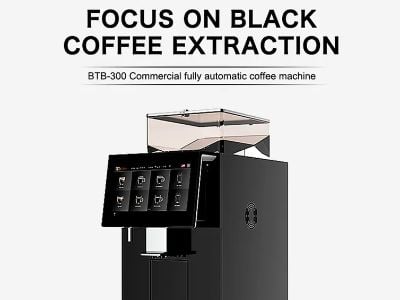
Designing an unattended format with self-service commercial coffee machines and IoT monitoring involves selecting the right equipment and understanding the technical requirements for seamless operation. Buyers often seek to optimize customer experience, ensure operational efficiency, and minimize maintenance issues when investing in coffee machines. This article will provide insights into choosing the appropriate commercial coffee machine, sourcing quality products, understanding key specifications for IoT-enabled models, installation guidance, and addressing common problems associated with coffee machines.
How to Choose the Right Commercial Coffee Machine for Your Business?
Selecting the right commercial coffee machine depends on several factors, including the volume of coffee you expect to serve, the type of coffee beverages you want to offer, and the specific needs of your customers. For unattended formats, look for machines that combine automation with user-friendly interfaces.
Consider the machine's brewing capacity, many self-service coffee machines can produce anywhere from 50 to 500 cups per day. Evaluate features such as customizable drink options, ease of cleaning, and maintenance requirements. Additionally, commercial coffee makers equipped with IoT capabilities can provide remote monitoring and analytics, helping you manage inventory and maintenance schedules effectively.
Lastly, assess the physical space available for the coffee machine. Ensure it fits well within your service area, keeping in mind access to power and water supply, which are critical for operation.
Sourcing Quality Self-Service Coffee Machines
When sourcing self-service coffee machines, it is vital to work with reputable manufacturers that prioritize quality in both materials and manufacturing processes. Look for machines made from durable materials that can withstand the demands of a commercial environment. Stainless steel is often preferred for its resistance to corrosion and ease of cleaning.
Inquire about the manufacturer's production capabilities and quality control processes. A reliable supplier will be able to provide details on their quality assurance protocols, including testing procedures for each machine. Additionally, consider the availability of customer support and warranty options, as these will be crucial for maintenance and troubleshooting.
Building a list of potential suppliers can help you compare their offerings, lead times, and pricing structures. It may also be beneficial to request samples or demonstrations to ensure the machine meets your operational standards before committing to a purchase.
Key Specifications for IoT-Enabled Coffee Machines in Retail
IoT-enabled coffee machines come with specific technical specifications that enhance functionality and user experience. Key features to consider include:
Connectivity: Ensure the coffee machine can connect to your existing network, enabling remote monitoring and data analytics. Wi-Fi or Ethernet connectivity are common options.
Data Analytics: Look for machines that provide real-time data on usage patterns, inventory levels, and maintenance needs. This information can be invaluable for optimizing operations.
User Interface: A clear, intuitive interface is essential for customer interaction. Touchscreens or app-based controls can enhance usability, allowing customers to customize their orders easily.
Maintenance Alerts: Advanced IoT machines often come equipped with alerts for maintenance needs, such as water filter replacement or system cleaning. This feature helps maintain commercial coffee making machine performance and prolongs service life.
Energy Efficiency: With rising energy costs, selecting machines that utilize energy-efficient technologies can result in lower operational costs over time.
Buyers should verify these specifications against their specific operational requirements to ensure compatibility and performance.
Installation Guidance for Unattended Coffee Machine Systems
Proper installation of unattended coffee machines is crucial for optimal operation. Start by assessing the installation site to ensure it meets necessary requirements, such as access to electrical outlets and water supply.
Consider the following steps when installing your coffee machine:
Site Preparation: Ensure that the floor is level and can support the weight of the machine, especially when fully stocked with supplies.
Electrical and Water Connections: Verify that all electrical connections comply with local regulations and that plumbing lines are installed correctly. It may be necessary to consult with a licensed electrician or plumber.
Calibration: After installation, calibrate the machine according to the manufacturer’s specifications. This may involve adjusting brewing temperatures and calibrating the grind size for optimal coffee extraction.
User Training: Providing training for staff on how to operate the machine and troubleshoot common issues can reduce downtime and enhance customer satisfaction.
Regular Maintenance Schedule: Establish a maintenance schedule to ensure regular cleaning and system checks, which are vital for sustaining performance and hygiene.
Common Problems with Coffee Machines and Their Effective Solutions
Despite their reliability, coffee machines can encounter various issues that may disrupt service. Here are some common problems and their solutions:
Insufficient Coffee Quality: If the coffee produced is not up to standards, check the grind size and brewing temperature. Both factors can significantly affect extraction quality. Regularly cleaning the brewing group and ensuring fresh coffee beans are used can also help.
Machine Failures: Frequent breakdowns may indicate inadequate maintenance or poor-quality components. Ensure that routine inspections are conducted, and consider the machine's warranty and support options when selecting a supplier.
Water Supply Issues: Problems such as low water pressure or blockages can affect performance. It’s essential to regularly check supply lines and ensure filters are replaced as needed.
User Errors: Customers may struggle with the machine interface. Providing clear instructions and signage can help mitigate confusion and enhance user experience.
Software Glitches: IoT-enabled machines can experience software issues. Regular updates from the manufacturer can resolve bugs and improve functionality.
By proactively addressing these common issues, businesses can maintain high operational standards and ensure customer satisfaction with their unattended coffee service.
Table of Contents
- How to Choose the Right Commercial Coffee Machine for Your Business?
- Sourcing Quality Self-Service Coffee Machines
- Key Specifications for IoT-Enabled Coffee Machines in Retail
- Installation Guidance for Unattended Coffee Machine Systems
- Common Problems with Coffee Machines and Their Effective Solutions